
Online Virtual Summits
DFIR - OSINT - CYBER
PFIC is embracing a new format in 2026 with the introduction of the PFIC Quarterly Summits, a high-impact virtual event held once every quarter! Each PFIC Summit Day is designed to deliver concentrated, cutting-edge content essential for DFIR, OSINT, and Cyber professionals.
Registration grants you access to the specific virtual sessions for that date, the exclusive PFIC Portal, and valuable networking opportunities. All Enrollment is Complimentary due to our sponsors!
Important Note:
To attend, you must register for each quarterly PFIC Summit Day date separately to gain access to that specific virtual event.
Our Sponsors



PFIC Fall Session November 19, 2026
9 AM to 1 PM (Eastern Time Zone)
9:00 AM to 10:00 AM
Legal trends in digital investigations: AI, Validation Reference Models, and Rules of Evidence
According to the Pew Research Center, 97% of American adults own a cellphone, and the average smartphone user generates gigabytes of data each month across messaging applications, social media platforms, cloud storage services, and health-monitoring applications. For litigators, this data has created opportunities for evidence gathering and challenges for preservation, authentication, and privacy concerns.
This seminar explains and offers suggestions regarding five critical practice areas: (1) preservation workflows under FRCP 37(e), including the unique challenges posed by ephemeral messaging applications; (2) defensible strategies for delimiting the scope of preservation and analysis; (3) proportionality analysis under FRCP 26(b)(1) as applied to mobile device and social media discovery; (4) validation of forensic methodology and tools, including hash-value authentication under FRE 901 and 902; and (5) attorney ethical and practical obligations when supervising technical vendors.
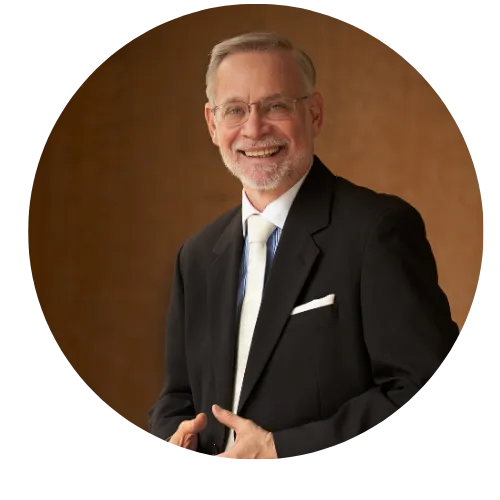
Don Wochna
Attorney Wochna is among the few attorneys in the United States certified as a testifying computer/cell phone forensic expert (CCFE and CMFE) and practicing as an experienced litigator. When engaged as a testifying digital forensic expert witness, Wochna integrates his legal and digital forensic expertise with a critical application of the 2023 modification of Federal Evidence Rule 702 (and similar adoption of state rules of evidence) to identify deficiencies in digital expert party opponent analysis and/or prosecutorial evidentiary arguments.
10:00 AM to 11:00 AM
Anatomy of a Deepfake: Digital Forensics for Synthetic Media
Performing analysis of fake images and videos can be challenging considering the plethora of techniques that can be used to create a deepfake. In this session, we'll explore methods for identifying fake images and videos whether created by AI, photoshopped, or GAN-generated media. We'll then use this for the basis of a live demonstration walking through methods of exposing signs of alteration or AI generation using more than a dozen techniques to expose these forgeries. We'll also highlight a free GPT tool for performing your own analysis. Finally, we'll provide additional resources and thoughts for the future of deepfake detection.
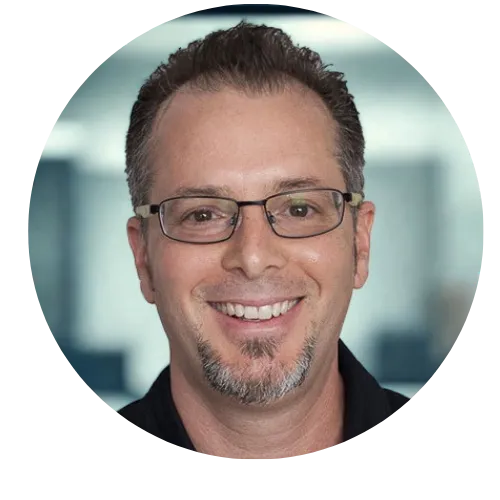
Mike Raggo
Mike Raggo, Co-Founder, SilentSignals, Inc. has over 30 years of security research experience. During this time, he has uncovered and ethically disclosed vulnerabilities in products including Samsung, Checkpoint, and Netgear. Michael is the author of “Mobile Data Loss: Threats & Countermeasures” and “Data Hiding” for Syngress Books. He is also a frequent presenter at security conferences including Black Hat, DEF CON, Gartner, RSA, DoD Cyber Crime, OWASP, and SANS. He was also awarded the Pentagon’s Certificate of Appreciation.
11:00 AM to Noon
Knowing When It is Time to Retire or Seek Other Part Time Work
This presentation is designed to help prepare you for the future. We will cover things such as an unexpected health crisis for our loved ones forcing us into a new role as POA and full time caregiver. We will also look at slow moving self indicators of aging such as a decline in ability to rapidly learn new technology, inability to pull "all nighters" with computers or processing evidence, forgetfulness, and a widening distance between ourselves and the customers we serve. We will also consider topics such as a sudden reduction in our usual customer base which indicates a need to go to part time work if recruiting a new demographic of customers is not possible. We will also discuss unsolicited input from others such as doctors, friends, and loved ones with remarks such as, "You can't keep this up," or "heart attacks are happening to younger and younger people and the first symptom of a heart attack for some may be death." We will also discuss remote or in person part time work. Penultimately we will discuss other options such as reinventing yourself but using your old knowledge. Consider that you could be selling network security or digital forensic software, providing limited remote customer support, or being a liaison between the community you previously served and a digital forensic tool maker. Lastly we discuss that we may have to consider options such as downsizing, cutting expenses, moving to a lower cost state with Southern Hospitality, have a serious garden to supplement what we eat, and find out from others the tricks they use to survive with less.
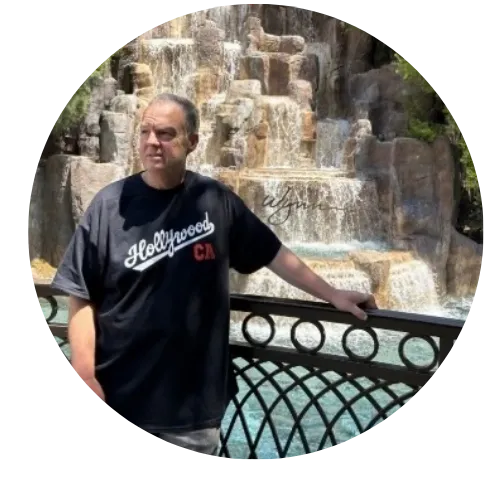
Eamon Doherty
Professor Emeritus Eamon Doherty CISSP, SSCP teaches part time online at Fairleigh Dickinson University in New Jersey. He presently teaches 2 graduate school classes. They are, "Introduction to Network Security," and "Current Issues in Cyber Forensics." Dr. Doherty was the Director of the FDU Cybercrime Training Lab from 2005-2016 and also taught continuing education classes such as, "Introduction to PDA Forensics," "Introduction to Cell Phone Forensics," "Introduction to Digital Camera Forensics," "Introduction to GPS Forensics," and "Introduction to Electronic Eavesdropping Device and Wiretap Detection." He was a member of the FBI Infragard and the New Jersey Regional Homeland Security Technology Committee." Dr. Doherty also wrote a variety of books including, "Computer Recreation for Everyone," "Thoughts on Teaching Desktop Computer and IPAD Forensics," and "Digital Forensics for Handheld Devices." He was once a county government employee helping a variety of people in town governments, law enforcement, and other county offices with mainframe and personal computers in the days of 8 , 5.25, and 3.5 inch floppy disks.
Noon to 1:00 PM
WTF-Why did they use this App?
With countless apps available today, understanding why a user chooses one platform over another is critical for digital forensics. Deciphering this intent and knowing precisely where to locate the relevant artifacts can dramatically impact the outcome of an investigation. This session explores both mainstream and niche applications, analyzing user motivation and highlighting key data locations essential to modern investigations.
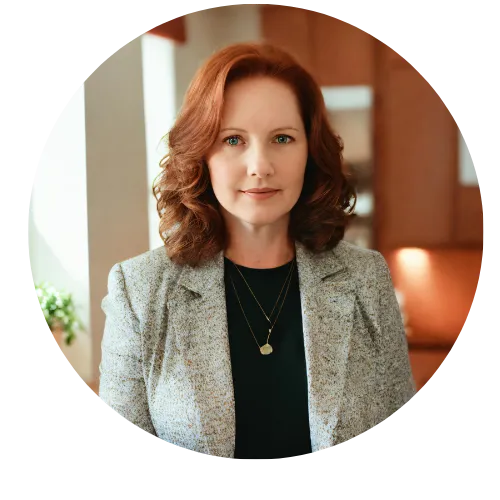
Amber Schroader
With over 30 years of innovation in digital forensics, Ms. Schroader has developed cutting-edge recovery software for everything from smartphones to cloud storage. She is the architect of the "Forensics of Everything" (FoE) framework, a holistic approach to evidence that has set global standards for seizure and processing protocols. Beyond her technical contributions, she is an influential educator and founder of industry certifications, dedicated to shaping the future of the field through her teaching, writing, and speaking.
Paraben Corporation
Paraben Corporation provides digital forensic solutions, with their flagship product being the E3 Forensic Platform. This comprehensive suite empowers investigators to efficiently acquire and analyze data from diverse digital sources, including smartphones, computers, cloud storage, and IoT devices. E3 streamlines digital investigations with its robust features for data acquisition, parsing, analysis, and reporting, catering to law enforcement, government agencies, and private sector professionals.
OSMOSIS
Join the Osmosis Institute and become part of a community dedicated to exploring the frontiers of OSINT.
Connect with like-minded
individuals, researchers, and innovators. Explore the OSC certification for
OSINT investigators. Collaborate with a community of digital investigators.
Cyber Social Hub
Join for FREE & access articles, specialized groups of your interests, informative videos, and a community of other professionals.
ForensicMag
Forensic® (FOR) is the #1 leading source for daily breaking news in the forensic research community. While FOR has evolved over the years since its inception as a former magazine in 2005, FOR continues its unwavering commitment to its loyal readers of forensic and crime scene professionals. Currently, FOR is published daily online and covers a breadth of information vital to forensic professionals - from DNA to trace analysis, sample prep, toxicology, crime scene technologies, and technological advancements across the relatively dynamic and evolving forensic landscape.
Plessas Expert Network Inc.
Founded in 2008, Plessas Experts Network (PEN) is a Woman-Owned, Service-Disabled Veteran-Owned Small Business specializing in open-source intelligence (OSINT) for government, corporate, and legal clients. Through Plessas Academy, PEN has provided advanced OSINT training to over 25,000 law enforcement professionals and numerous corporate investigators, while also supporting research partnerships such as REMND, CYCLES, and collaborations with the University at Albany’s ILS and Boston Fusion. Today, PEN leads in responsible OSINT innovation by integrating AI into investigative workflows, offering human-in-the-loop training and red-teaming, and maintaining a growing Digital Knowledge Base, all guided by a commitment to ethical tradecraft.

PI Magazine
Are you a professional investigator seeking the edge in a constantly evolving field? PI Magazine is your indispensable resource, delivering unparalleled insights, expert analysis, and cutting-edge strategies directly to your doorstep (or inbox!). Each issue is packed with comprehensive and current advice, in-depth articles from seasoned experts, and vital information to help you navigate complex cases, master new technologies, and stay ahead of industry trends.
OSINT Cocktail
Dive into the world of online investigations with the OSINT Cocktail podcast! Join veteran investigators as they dissect films each week, revealing real-world open-source intelligence techniques hidden in plain sight. Learn practical skills in OSINT, digital forensics, fraud investigation, and more, and uncover how to apply these methods to your own inquiries. Tune in and become a more insightful digital investigator!
Why should you attend PFIC...
Why should you attend PFIC...
“If you have not looked at attending the Paraben Forensic Innovation Conference you should. The DFIR event has great talks and lots of hands-on lab tracks. Even though the conference is called Paraben, there are a lot of other forensic companies there. And, you can talk to lots of real users. Unlike other conferences that cost thousands, this digital forensics conference is affordable for any budget.”
Ira Victor, Chief Forensic Analyst
“I was extremely pleased with the incredible professional level of speakers throughout this forum. The information they provided was extremely valuable. Throughout both my police career and digital forensics, I would rate this forum at the very top. PARABEN did an excellent job.”
James Bogers MJB group
“OMG. I learned so much in the first hour of PFIC my mind is blown. As you may or may not be aware, I have been in investigations for over 35 years. I speak internationally on Police Policy and Procedure INVESTIGATIONS. I have NEVER at least that I Can recall, learned so much in one hour! This is such an incredible journey.”
Frank DeAndrea DeAndrea Investigations